
What Does ‘Senior Engineer’ Really Mean Today?
How do we actually distinguish between senior, mid-level, and junior developers today?
For years, we relied on two signals:
• Years of experience
• Coding ability
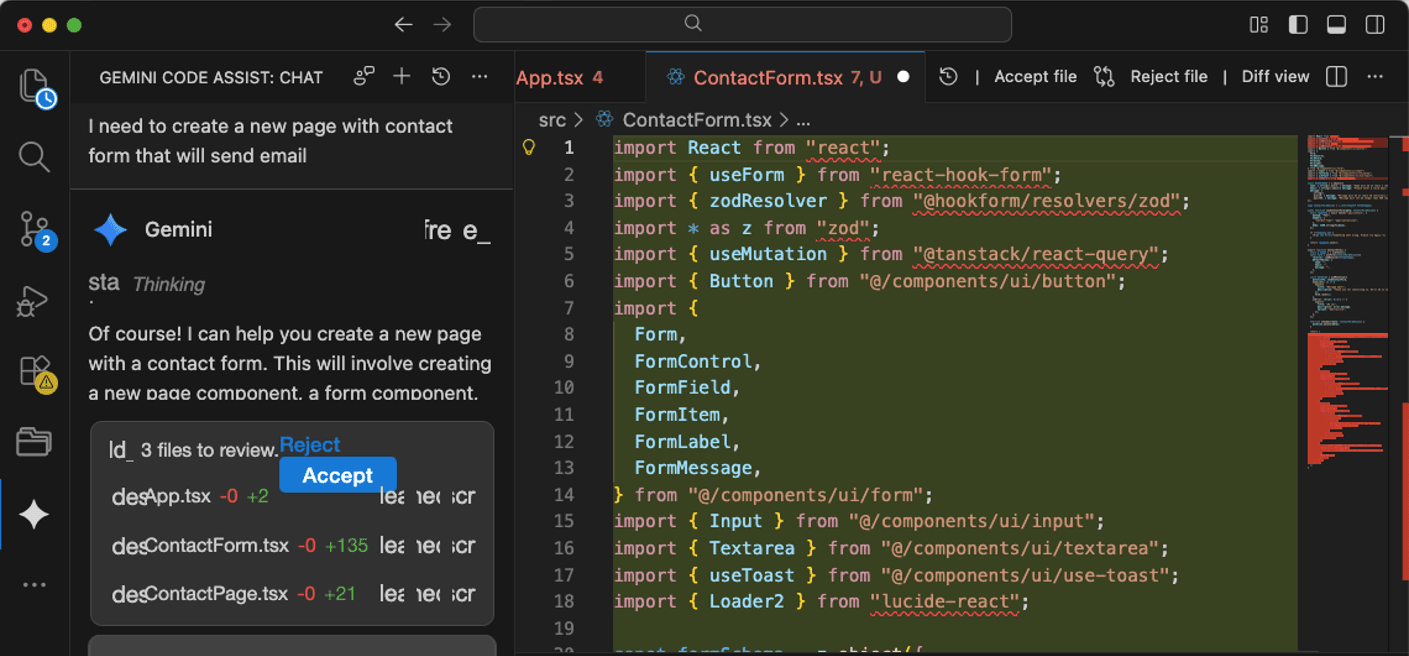
But AI has changed the landscape. Coding assignments can now be completed or heavily assisted by tools. This makes it harder to evaluate real skill based on finished code alone.
𝗦𝗼 𝘄𝗵𝗮𝘁 𝘀𝘁𝗶𝗹𝗹 𝗱𝗶𝗳𝗳𝗲𝗿𝗲𝗻𝘁𝗶𝗮𝘁𝗲𝘀 𝗮 𝘀𝗲𝗻𝗶𝗼𝗿 𝗱𝗲𝘃𝗲𝗹𝗼𝗽𝗲𝗿?
Senior engineers show strength in:
• System design
• Architecture
• Trade-off analysis
• Handling constraints
• Understanding long-term implications
• Communicating reasoning clearly
Based on our experience, this is what works today:
• Using a short take-home task as preparation, not the main evaluation.
• Expect candidates to use AI, it’s part of modern development.
• Run a live follow-up session where you ask about their decisions:
Why this design? How would you scale it? What alternatives did you consider? What would you change with more time?
This reveals depth, maturity, and real-world engineering thinking.
𝗕𝗮𝗹𝗮𝗻𝗰𝗲 𝗘𝗳𝗳𝗼𝗿𝘁 𝗮𝗻𝗱 𝗘𝘅𝗽𝗲𝗰𝘁𝗮𝘁𝗶𝗼𝗻𝘀
One pattern is clear: Senior candidates are less willing to spend 3-4 hours on unpaid assignments, while junior candidates are more open to it. We should be respectful of the person's personal time.
So, keep assignments:
• Realistic (not “1 hour” that secretly takes 3+)
• Clear (set expectations and give guidelines; not over-engineer)
• Meaningful (only focus on what matters; consider close-to-runnable pseudocode, don't demand lengthy pixel-perfect code)
The task should help the conversation, not become a filter that pushes senior engineer away.
If you want to hire effectively in the AI era, rethink your take-home assignments.
👉 Shift your evaluation from code output to engineering thinking.
👉 Keep tasks short, fair, and aligned with real-world work.
Contact us and we’ll help with an example of a home assignment for your stack, on a volunteer basis.